
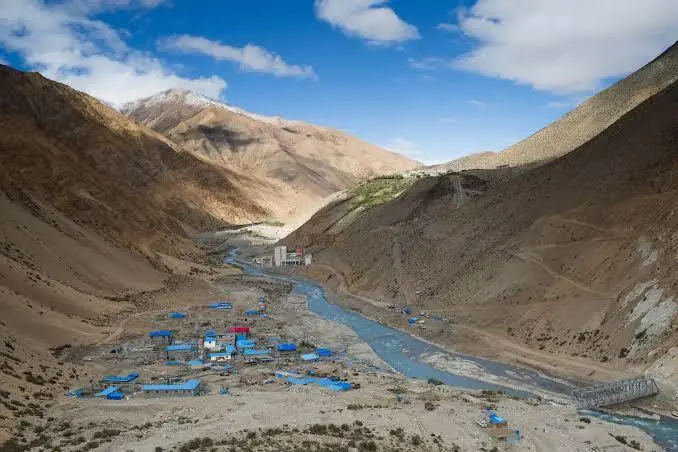
If you've read look at the 2026 Nepal-route stranding incident and you understand why permit handling matters more than almost anything else on this journey, the natural next question is simple: how does this specific package actually manage that risk? Here's a complete, honest walkthrough of our 9-day Ex-Lucknow Kailash Mansarovar Yatra — the itinerary, the permit process, and exactly what to expect physically and logistically.
How we handle permits and visas, specifically
This is the part we lead with, deliberately. Your Tibet Travel Permit application must be submitted at least 40 days before departure, and your passport needs to reach our office 15 days ahead, with your Chinese visa documentation processed roughly 35 days out. We build our booking timeline around these deadlines rather than around convenience — which is precisely the sequencing that, when skipped or rushed, is what led to the group stranding reported earlier this year on this same general route. We'd rather turn away a booking that can't meet these timelines than risk a pilgrim reaching Nepal with incomplete paperwork.
The itinerary, day by day
Day 1 — Lucknow to Nepalgunj. A roughly 4-hour drive across the border, ending with a warm welcome and hotel check-in in Nepalgunj — the last "normal" comfort level of the trip before things get progressively more remote.
Day 2 — Fly to Simikot. A 45-50 minute flight to Simikot, followed by a full acclimatization day. This day is not filler — it's a genuinely important buffer that gives your body time to begin adjusting before the altitude climbs further.
Day 3 — Helicopter to Hilsa, drive to Taklakot. The border crossing into Tibet itself, followed by your first night at close to 3,900m. This is where our Tibetan and Nepali ground team formally takes over, and where your permits and visa are actually checked and activated.
Day 4 — Lake Mansarovar. A half Lake Parikrama by eco bus at 4,500m, with dormitory-style accommodation for the night — genuinely basic, and worth mentally preparing for rather than being surprised by.
Day 5 — Manasarovar Parikrama & Darchen. The full sacred lake circuit, a stop for pooja and meditation, and a pass by Rakshas Tal before continuing to Darchen for the night.
Day 6 — Yama Dwar to Diraphuk. The Kailash Parikrama itself begins here — a 5-6 hour trek (or horseback ride, if pre-arranged) to 4,900m. This is the day where the physical preparation you've done in the months beforehand starts to matter directly.
Day 7 — Dolma-La Pass to Zuthulphuk. The Yatra's hardest and most significant day: the Dolma-La Pass at 5,610m, roughly half the oxygen of sea level, followed by a descent to Zuthulphuk. Pacing, not speed, is what gets pilgrims across this pass safely.
Day 8 — Return begins. A final trek to Chongdo, then a drive back through Darchen and Taklakot toward Hilsa or Simikot, weather permitting.
Day 9 — Simikot to Lucknow. The return flight and drive, closing the Yatra.
What's included (and what genuinely isn't)
The package covers accommodation throughout (4-star at Nepalgunj, the best realistically available standard elsewhere), 100% vegetarian meals prepared by experienced cooks, all flights and helicopter legs within the itinerary, all necessary Tibet permits and the Chinese group visa, English- and Tibetan-speaking guides, Parikrama trekking support, and complimentary gear (duffle bag, day bag, jacket, and winter cap).
What's not covered: international flights to and from Lucknow, horses or porters for the Parikrama (payable locally in Chinese Yuan only, non-refundable once arranged), the optional Asthapad excursion (an additional USD 100), travel insurance beyond the basic requirement, and emergency evacuation costs, which must be covered by your own insurance. We're upfront about this rather than burying it — this is a trip where knowing your real, total cost picture in advance matters more than a low headline price.
Who this Yatra is actually built for
This suits devoted pilgrims who are physically preparing seriously in the months before departure, who understand this is a demanding high-altitude journey rather than a leisure trip, and who value an operator that treats permit and visa handling as non-negotiable rather than an afterthought. It is not the right choice for anyone unwilling to commit to physical preparation beforehand, or anyone looking for a flexible, easily-changeable booking — this is a firm, non-refundable commitment once confirmed, by the nature of the permits involved.
Before you book
Start your physical preparation now, not after booking — most guidance on this Yatra recommends beginning cardiovascular and strength training at least 2-3 months ahead, regardless of age or prior trekking experience. Get a medical check-up and flag any pre-existing conditions to us in advance. And when you do book, confirm directly with us that your permit and visa timeline is fully mapped against your departure date — we'd rather walk you through this in detail than have you discover a gap later.
Ready to begin your Yatra?
Learn more and reserve your place on the Kailash Mansarovar Yatra.
