Overview
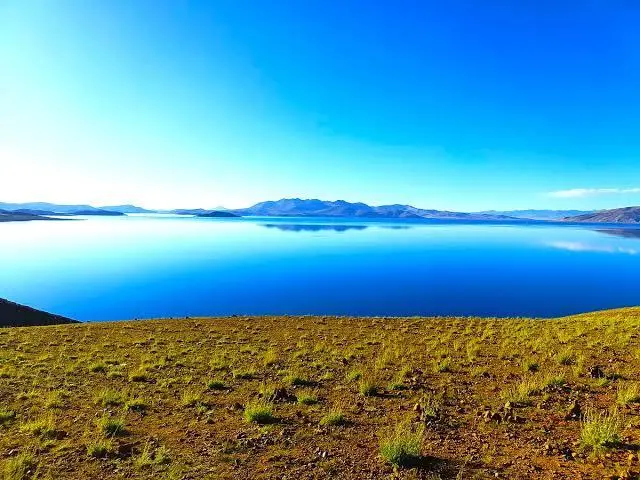
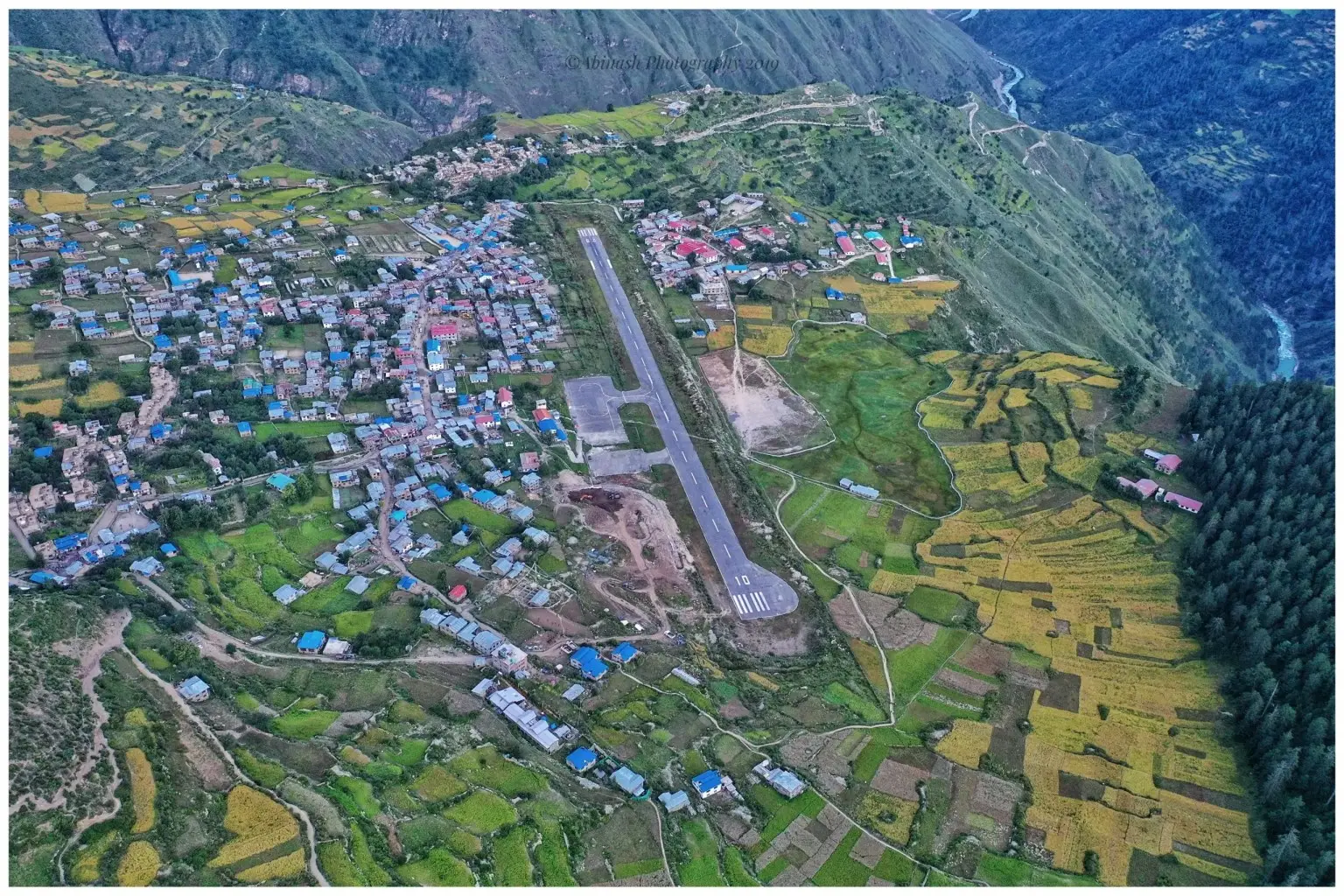
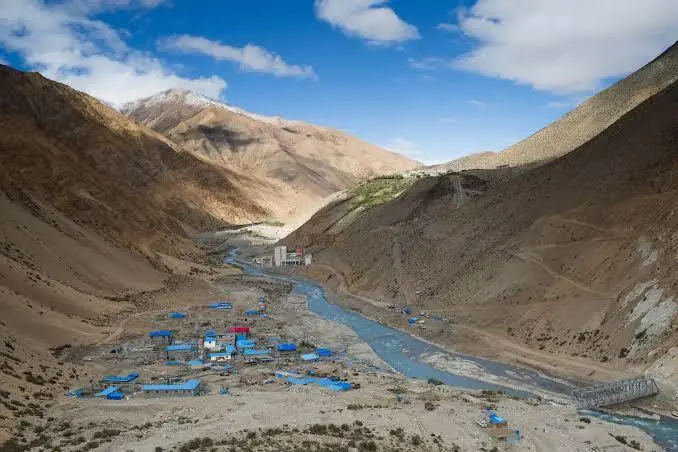
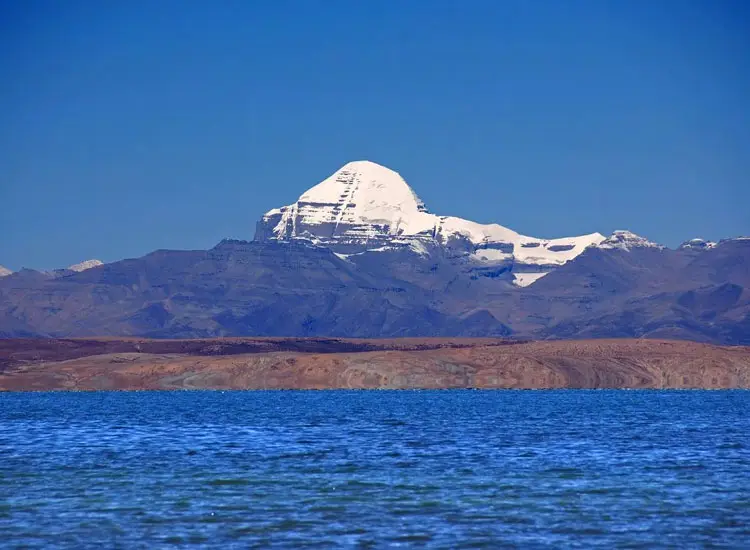
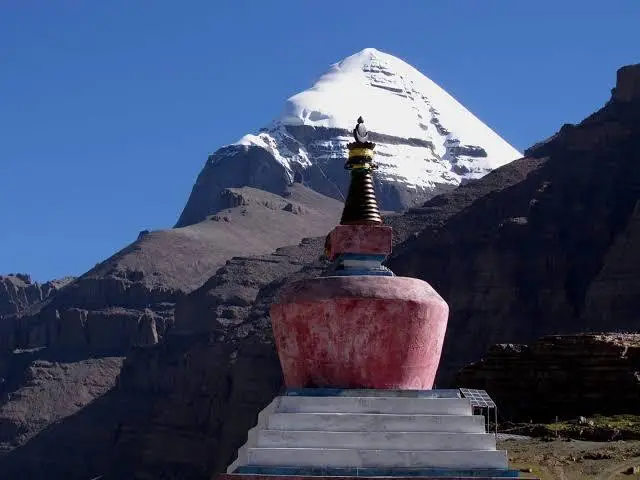
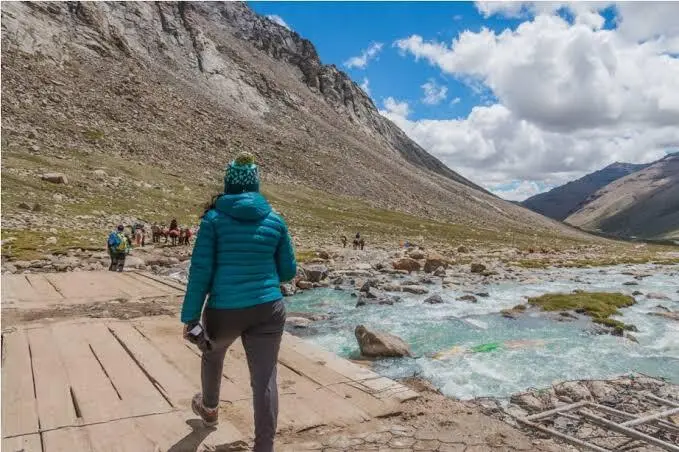
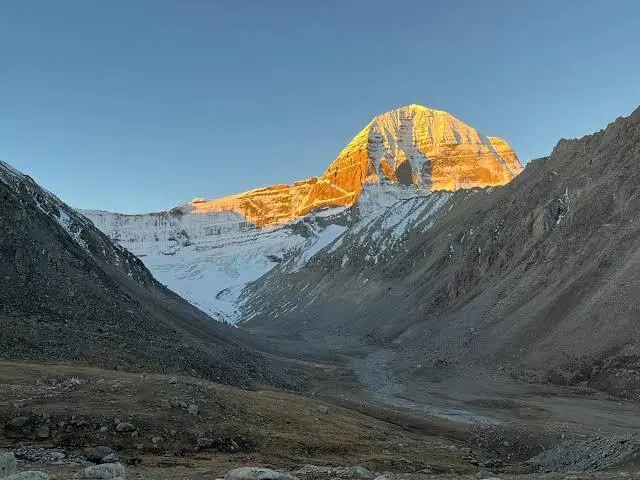
Nine days from Lucknow to the base of Mount Kailash — Lord Shiva's revered abode — via the Nepal helicopter route through Nepalgunj, Simikot, and Hilsa into Tibet. Perform the sacred Parikrama around Mount Kailash, take in the half Lake Manasarovar circuit by eco bus, cross the demanding Dolma-La Pass at 5,610m, and complete the journey believed by devotees to cleanse sins and grant moksha. This is a physically demanding, high-altitude pilgrimage — full permit assistance, vegetarian meals throughout, English and Tibetan-speaking guides, and dedicated ground support are built in from Lucknow to Lucknow.
FAQs
A valid passport is mandatory for this entire journey, even though Voter ID alone is sufficient for ordinary travel to Nepal. Because this itinerary crosses into Tibet (part of China), you need a Chinese group visa and Tibet Travel Permit, both of which require a passport valid for at least 6 months from your departure date. Voter ID alone will not get you across the Hilsa-Purang border into Tibet.
Very. Large portions of the journey exceed 4,500m, with the Dolma-La Pass — the trek's highest point — reaching 5,610m. Altitude sickness is a genuine risk, not a remote possibility, and this isn't a trip to attempt without deliberate physical preparation in the months beforehand. A good baseline fitness level, gradual acclimatization, and following your trip leader's pacing instructions matter more here than on almost any other listing in our catalog.
No — and this matters more than it might sound. Indian nationals cannot apply independently for the Tibet Travel Permit or Chinese group visa; this must be handled entirely through your authorized tour operator, well in advance. Given how tightly the Nepal-Tibet border coordination works, and how disruptive it is if any single document is missing or delayed, we strongly recommend confirming directly with us that all permits and visas are fully secured and in hand before you depart India — not something to be finalized once you've already reached Kathmandu or Nepalgunj.
Be prepared for genuinely basic conditions once you're past Simikot: dormitory-style rooms sleeping 5-6 people at Lake Mansarovar, Diraphuk, and Zuthulphuk, no hot water showers in these remote stretches, and primitive outdoor Indian-style toilets during the Parikrama itself (hotels along the route do have proper commodes). Single-room supplements aren't available at Mansarovar, Diraphuk, or Zuthulphuk under any circumstances — this is a shared-room pilgrimage by necessity, not by cost-cutting.
Yes, but they're not included in the package and must be paid for locally in Chinese Yuan only (Indian currency isn't accepted) — approximately 1,200-1,400 Yuan for a horse and 2,800-3,000 Yuan for a porter. Availability isn't guaranteed and depends on how many pilgrims are on the route at the time; once paid, this amount is non-refundable, and horses/porters must be booked for the entire Parikrama rather than a partial stretch.
Yes — the entire journey is 100% vegetarian, with meals freshly prepared by experienced Indian and continental chefs, covering breakfast, lunch, and dinner as specified in the itinerary from Day 1 dinner through Day 9 breakfast.
Required, not optional. Given the remoteness of the route and the cost of any emergency evacuation (which is not covered by the package and must be borne by the traveler), comprehensive travel insurance covering high-altitude trekking, emergency rescue, and medical evacuation is a hard requirement for this trip, not a suggestion.
No — under any circumstances. Chinese authorities strictly prohibit bathing in the lake, and doing so risks a fine of 1,500 Yuan along with possible further action by local authorities. The operator cannot intervene or take responsibility if this rule is broken.
Yes — material related to political activism, the Dalai Lama, or anything considered sensitive or illegal by Chinese authorities must not be carried under any circumstances. This isn't a minor formality; being found with such material can result in serious problems with local authorities that the operator has no ability to resolve on your behalf.
October through May is the dry, relatively more stable window, though snow is still possible in the mountainous stretches and nighttime temperatures regularly fall well below freezing (0°C to -10°C) even during the "warmer" daytime hours. Weather at this altitude is inherently unpredictable, and flight/helicopter delays due to conditions are a normal part of the journey, not an exception.
The package is completely non-refundable and non-changeable once confirmed. If a Tibet permit application is submitted and then cancelled, a separate INR 15,000 cancellation fee applies on top of the package terms. Given the extensive advance permit and visa work involved, please treat a booking on this trip as a firm commitment rather than a flexible reservation.